Dental Restorations From a Restorative Dentist
A restorative dentist can repair damaged teeth so that eating becomes easy again and the smile looks completely natural. Teeth often lose strength due to deep cavities, tiny cracks, or old restorations that no longer protect the tooth from food and bacteria. Fortunately, we have multiple services to provide a reliable path toward a healthy mouth that feels comfortable every day.
Common ways restorative dentists rebuild a smile
The work of a restorative dentist goes beyond just fixing the surface of a tooth. The primary focus is to make the tooth strong enough to withstand the pressure of chewing while protecting the sensitive nerve inside. With this in mind, the restorative dentist may introduce one or multiple of the following:
Dental bonding
Dental bonding is a direct restoration, meaning the dentist applies and shapes the material directly onto the tooth. The restorative dentist will use dental bonding to repair small chips or gaps between teeth.
Dental fillings
Dental fillings are another direct restoration that uses a composite material to fill a small hole left by a cavity. This restoration will protect the inner structures of the tooth while restoring its appearance.
Dental crowns
Dental crowns are indirect restorations, meaning the dentist crafts them outside the mouth before bonding them into place. They are tooth-shaped caps that engulf the entire compromised tooth, restoring appearance and function and preserving what remains of the natural tooth to prevent extraction.
Dental inlays or onlays
Dental inlays and onlays are also indirect restorations. However, unlike crowns, these restorations only cover the damaged portion of the tooth, not the whole thing. The dentist bonds an inlay into the damaged portion, while the onlay extends slightly beyond the damaged portion.
Dental bridge
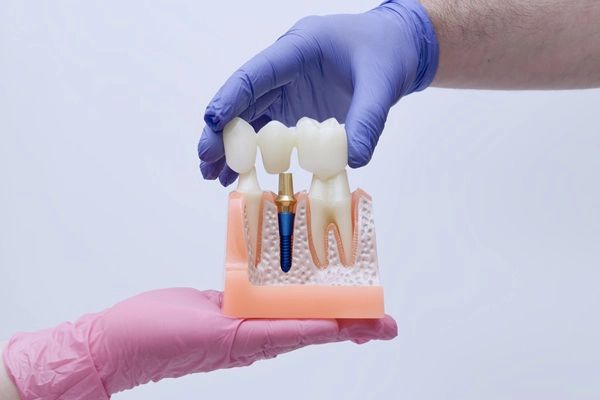
Dental bridges are also indirect restorations, but instead of repairing teeth, they replace missing teeth. These restorations can replace up to four consecutively missing teeth by combining crowns and pontics (false teeth) to span the gap and restore function.
Dental implant
Dental implants also replace missing teeth but have multiple components: a titanium post, an abutment, and a final restoration. While the restorative dentist places the post into the jawbone, the abutment will sit above the gums to serve as an anchor for a final restoration, such as a bridge, crown, or denture.
What happens during the visit
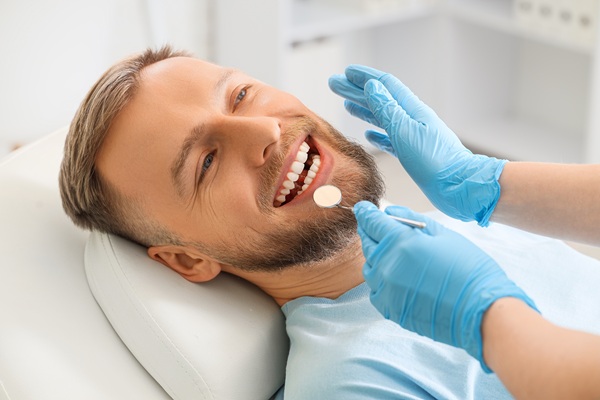
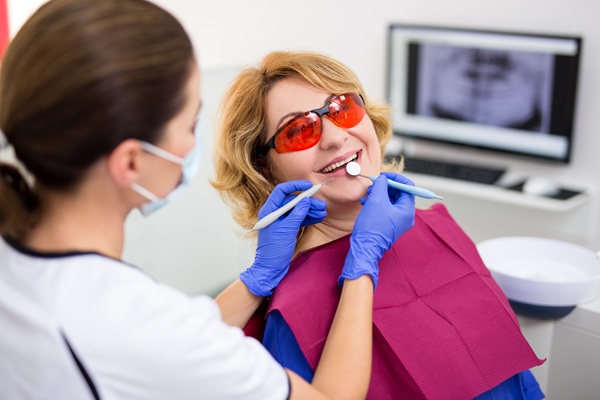
The process begins with careful cleaning of the tooth to remove any decay or old, failing material currently in place. This step is essential because even a tiny bit of bacteria left behind can cause a new cavity to form underneath the new restoration. The dentist then shapes the tooth so that the new piece fits perfectly against it with no gaps or rough edges.
Some repairs take only one visit, while others require a bit more time to ensure a natural fit and look. For example, a crown might require a temporary version while a laboratory crafts the final piece to be as strong and beautiful as a natural tooth. The restorative dentist explains each part of the process so that there are no surprises and the plan feels easy to follow.
Restore your teeth at Sylva Family Dental
A restorative dentist focuses on restoring a person's ability to eat, speak, and smile with ease. Whether the mouth needs a direct or indirect restoration, the goal is to achieve a strong, comfortable, and beautiful result. If you have one or multiple damaged teeth, contact Sylva Family Dental to schedule an appointment.
Request an appointment here: https://www.sylvadentist.com or call Sylva Family Dental at (828) 398-1879 for an appointment in our Sylva office.
Check out what others are saying about our dental services on Yelp: Restorative Dentist in Sylva, NC.
Recent Posts
There are several ways that a restorative dentist can replace missing teeth. Most people will lose one or more of their teeth at some point in their lives, and it can lead to a host of issues if they are not replaced.Bone tissues need to be regularly stimulated to remain healthy, as is the case…
You might be interested in a consultation with a restorative dentist if you have a damaged or missing tooth. The dentist can restore and preserve your teeth, no matter how damaged they are, using contemporary procedures, including dental implants, veneers, and crowns. However, going to a dentist for a consultation might be frightening, so it…
Receiving a smile makeover may be a good option for patients who are uncomfortable with the appearance of visible teeth that may be stained, crooked, or otherwise misaligned. It is important to talk with a licensed dentist before deciding on any specific procedure.There is no one service that is termed a “smile makeover”; instead, the…
Practicing preventive dentistry is an effective way to establish good oral health. Strict personal oral hygiene practices result in fewer dental problems. Strengthening these practices with regular dental appointments makes preventive dental care even more efficient. Preventive dentistry becomes even more effective by avoiding some bad habits.This habit increases the risk of chipping teeth. It…