The Longevity of Implant-Supported Dentures
Implant-supported dentures can provide a stable way to replace missing teeth while supporting daily comfort and function. A general dentist may recommend implant-supported dentures for patients who want a denture that stays more secure during eating and speaking. While no restoration lasts forever, these dentures can remain in good condition for many years with the right care and regular follow-up visits.
What affects lifespan
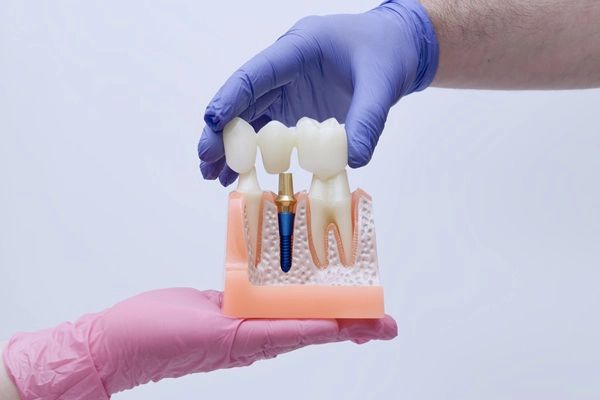
Several factors influence how long implant-supported dentures last. The implants themselves, which are small posts placed in the jawbone, often last longer than the denture that attaches to them. The denture portion may wear down over time because it bears the daily biting and chewing forces, while the implants remain anchored in the bone below.
Oral hygiene also plays a major role. Even though implant-supported dentures replace missing teeth, the gums and surrounding tissues still need daily care. Plaque, a sticky film of bacteria, can build up around the implants and irritate the gums if a patient does not brush, clean around the attachments, and attend dental checkups. A general dentist will also consider habits such as smoking, teeth grinding, and skipping maintenance visits, since each one can shorten the life of implant-supported dentures.
How daily care helps
Patients can protect implant-supported dentures by following a steady home care routine and scheduling professional evaluations. Good maintenance supports both the denture and the implants that hold it in place. Helpful care steps include:
- Brushing the denture and gumline every day
- Cleaning around implant attachments carefully
- Removing food debris after meals
- Attending routine dental exams and cleanings
- Reporting looseness, soreness, or bite changes early
These simple habits help reduce strain on implant-supported dentures and make it easier for the dentist to catch small problems before they grow.
When repairs or replacement happen
Implant-supported dentures usually do not fail all at once. In many cases, the denture teeth may show wear, the base may need an adjustment, or small parts such as clips or attachments may need replacement. These parts can loosen with regular use, especially if the denture is removed and reattached often. Timely repair helps the denture stay comfortable and functional.
The fit may also change as the mouth changes over time. Even with implants, the soft tissues and bite can shift enough to affect how the denture feels. A general dentist may recommend relining, which reshapes part of the denture base, or replacing the denture if the denture base has worn down. Regular evaluations allow the dentist to monitor the condition of implant-supported dentures, the health of the gums, and the stability of the implants.
Long-term support
Implant-supported dentures can serve patients well for years when they receive proper care, routine monitoring, and timely adjustments. A general dentist helps protect that investment by checking the bite, examining the implant sites, and recommending repairs before larger issues develop. Patients who clean their dentures carefully and keep regular appointments often have fewer problems over time. For more information or to schedule an appointment, call our office.
To schedule a consultation, please request an appointment on our website at https://www.sylvadentist.com or call Sylva Family Dental at (828) 398-1879 to arrange an appointment at our Sylva office.
Check out what others are saying about our dental services on Yelp: Implant Supported Dentures in Sylva, NC.
Recent Posts
Learning more about your options for getting new dentures is necessary, as you need to make a choice that works for you. This requires thinking about your current lifestyle and how denture care will fit in. Denture care is very important, as when you take proper care of your dentures, they can last many years.Finding…
A preventive dentist can help prevent gingivitis from returning by identifying the cause. These dental professionals can help you maintain your daily oral health and keep plaque and tartar under control. With the right routine, healthier gums can become a lasting part of dental health.Gingivitis starts when plaque stays along the gumline for too long.…
Gaps in a smile can make everyday tasks like eating or talking uncomfortable. Fortunately, dental bridges remain a reliable dental restoration to replace missing teeth and restore your everyday chewing function. This guide provides the information you need about the four types of dental bridges and helps you choose the right option for your unique…
A deep teeth cleaning is a more intensive dental cleaning procedure that goes beyond the standard cleaning performed during regular dental visits. The treatment removes plaque, tartar, and bacteria from below the gum line, addressing issues or severe plaque buildup, which can lead to further oral health complications if left untreated.Several signs may indicate the…