Can a Dental Crown Fail?
A dental crown serves as a durable restoration for a compromised tooth, yet certain conditions can eventually cause it to fail. These caps provide essential protection for the underlying enamel and restore the ability to chew without discomfort. Therefore, identifying the early signs of wear helps patients protect their investment and maintain a healthy smile for years.
Defining success and failure for a dental crown
Dental crown failure does not always involve a cap falling off the tooth. Sometimes, the cap remains in place while a new cavity develops at the margin where the porcelain meets the natural root. In other instances, the cement, or bonding, weakens, allowing the cap to shift or trapping bacteria beneath it. A successful outcome requires a stable connection between the cap, the tooth, and the surrounding gum tissue.
Inflammation around the edges of the restoration often signals a burgeoning problem that requires professional attention. Gums that appear red, swollen, or bleed during brushing indicate that bacteria are accumulating near the margin. This accumulation can lead to periodontal ligament recession, exposing the vulnerable tooth structure beneath the dental crown. Consistent gum health remains just as important as the strength of the porcelain itself.
Primary factors that lead to complications
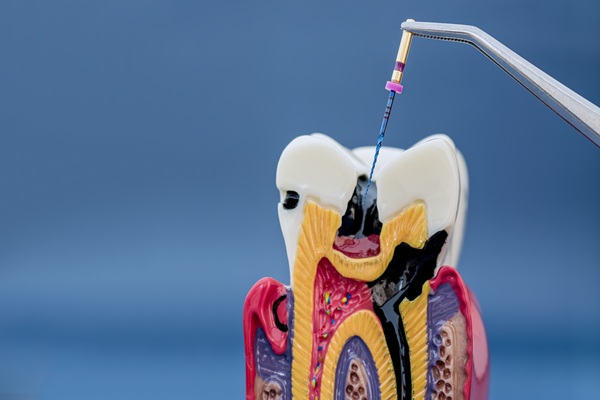
A common issue to watch for is new decay forming at the edge where the cap meets the natural tooth. Plaque often collects along the gumline, especially when daily cleaning habits remain inconsistent. If decay progresses into the deeper layers of the tooth, the cap loses its support and may eventually become loose. Early detection through regular exams allows for much more conservative repairs before the entire restoration requires replacement.
Bite forces also play a significant role in the longevity of dental crowns. Persistent grinding or clenching creates immense pressure that can eventually crack porcelain or loosen the bonding. Additionally, using teeth to open packages or chewing on ice can exceed the material's safe tolerance. A balanced bite ensures that pressure is evenly distributed across all teeth, thereby reducing the risk of sudden fractures.
Recognizing the signs of a failing dental crown
Symptoms often provide a vital early warning, even when the cap appears perfectly intact to the naked eye:
- Sensitivity or sharp pain occurs specifically during biting or chewing
- Bad taste in the mouth even after practicing oral hygiene
- The gum tissue near the restoration appears swollen, tender, or bleeds easily
- The cap feels loose, shifts during meals, or repeatedly dislodges
- Visible cracks, rough edges, or chips appear on the surface of the porcelain
Addressing these signs promptly often saves the underlying tooth and prevents the need for more complex procedures such as root canal treatment.
Call us for more information
A dental crown provides a high level of protection, yet it remains susceptible to decay, bite trauma, and periodontal inflammation. Consistent hygiene and care can extend the life of the restoration, but accidents can still occur. If you are experiencing the signs of a failing dental crown, do not hesitate to schedule an appointment at Sylva Family Dental.
Request an appointment here: https://www.sylvadentist.com or call Sylva Family Dental at (828) 398-1879 for an appointment in our Sylva office.
Check out what others are saying about our dental services on Yelp: Dental Crowns in Sylva, NC.
Recent Posts
While dental implants can last a lifetime, the implant crown portion will eventually need replacement. When discussing this, it helps to understand the difference between an implant crown and a dental crown. Unlike a dental crown used to repair or reinforce a tooth, implant crowns are placed over the titanium implant post to serve as…
An implant crown is the top part of a dental implant that connects to the abutment and titanium rod. It is also a type of dental restoration that can support, strengthen, and protect a tooth. On its own, a dental crown is a good dental helper. It is for people who want to regain the…
Usually, patients can expect a dental crown to last around five to 15 years. But the life of a dental crown might depend on how much wear and tear the restoration undergoes. Plus, avoiding habits like clenching the teeth or chewing hard objects is advisable. That can extend the life span of the crown. Keep…
If you are dealing with a damaged tooth, dental crowns may be a viable solution. These tooth coverings help restore a damaged tooth for a functional and healthy smile. While a crown is one of the most common types of dental work, it still may not be for everyone. It can only be used to…